
Case study · Life science · Clinical diagnostics
Life science lab reclaims 1,090 hours a year with Model C2.
A clinical diagnostics laboratory needed to keep samples moving without taking technologists away from testing. In under an hour, it deployed two Model C2 autonomous carts on its busiest delivery routes. The carts now handle routine transport across all three shifts, returning over one thousand skilled hours to analytical work each year.
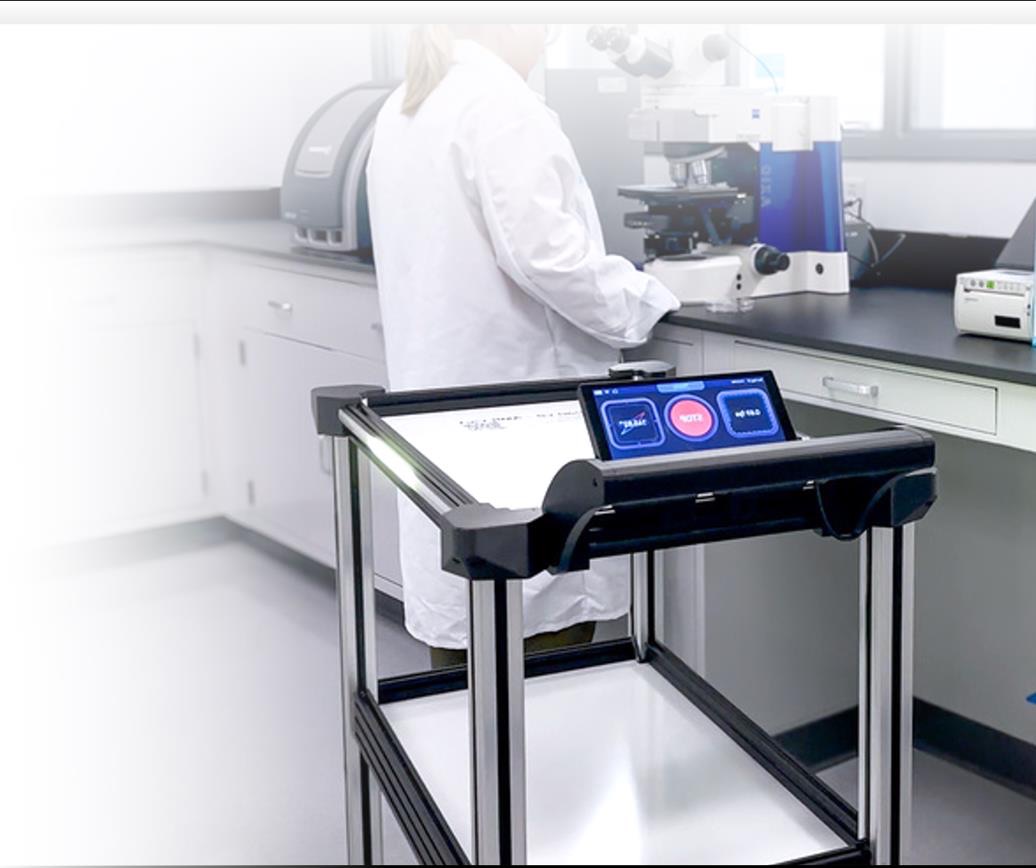
- $39,600saved per year
- 38,300deliveries per year
- 1,490miles of walking per year
- 1,090hours returned per year
Annual results across the two-cart fleet.
The challenge
Manual transport strained lab capacity
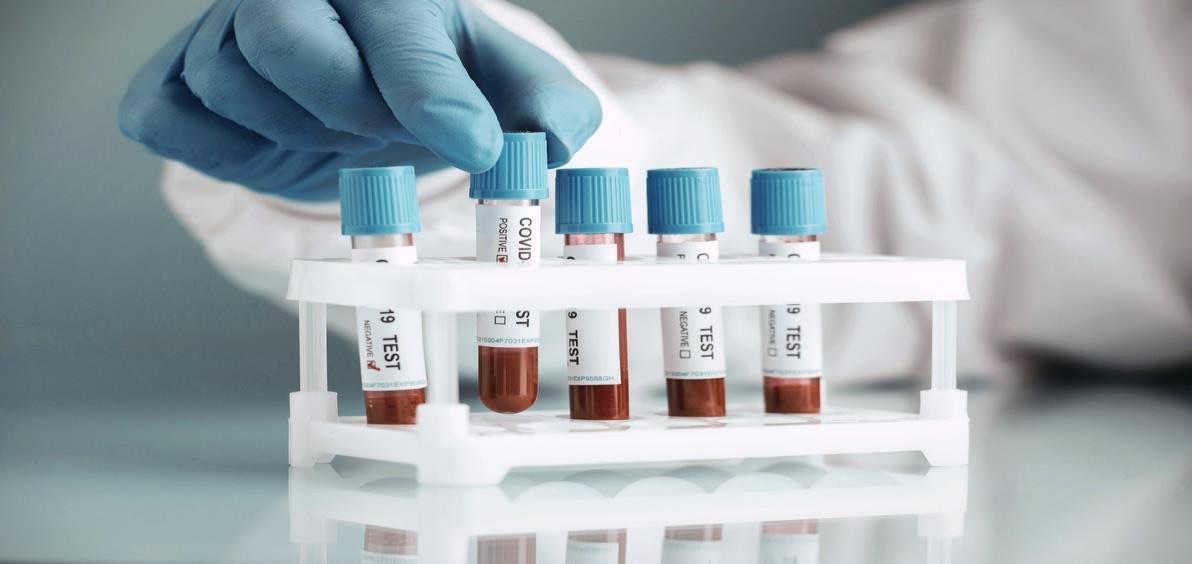
This clinical laboratory operates 24/7. Specimens arrive continuously across three shifts, with two-thirds of the work occurring overnight. Every tube passes through central sort before heading to one of over a dozen specialized departments.
Staff previously managed these handoffs on foot against a strict timeline. Many analytes begin to degrade within hours of collection, so a rack waiting for transport could easily compromise viability.
Instead of analysis, credentialed medical lab scientists spent hours each shift manually carrying sample racks across the 120,000 sq ft facility. These routine walks added up to dozens of weekly miles that kept trained staff away from actual testing.
- 3.1 hrsof bench time lost to walking every day
- 8.5 mileswalked daily across three shifts
Wasted bench time
Hand-carrying racks pulled skilled staff away from critical testing, interrupting high-value analysis and slowing lab output.
Limited labor market
Qualified lab staff are scarce, and paying top-tier salaries for manual transport inflates operating costs while key roles sit empty.
Time-sensitive handoffs
Transport delays threaten test accuracy and morning deadlines, as sample quality degrades while racks wait.
The lab needed an automated transport solution for routine deliveries: one that would work without adding unavailable headcount or requiring costly facility shutdowns.
The solution
Two Model C2 carts for specimen transport
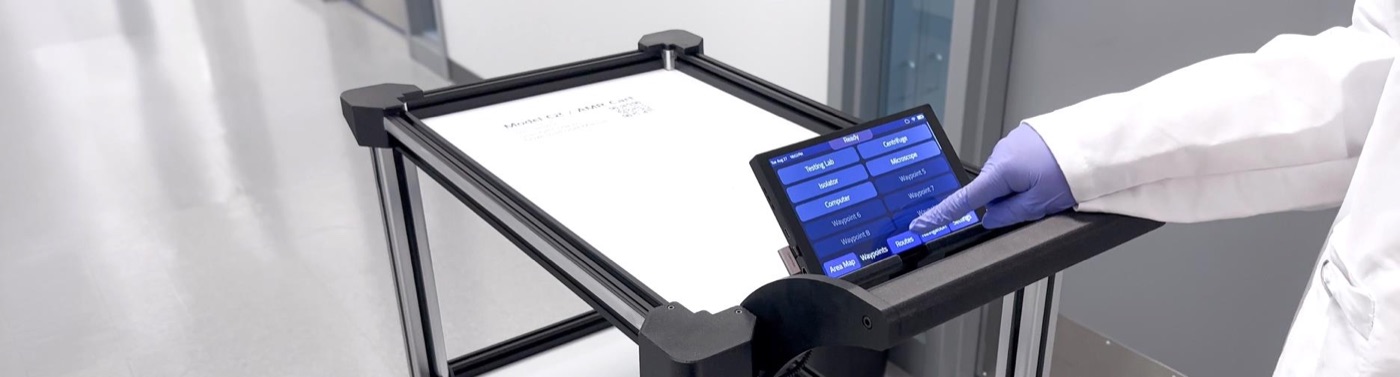
Deployment began by creating an area map. An operator walked one cart through the lab as its sensors recorded the layout on the touchscreen, then marked the arrival Waypoints for each department and combined several of them into Routes for the cart to visit in order.
The process took around 45 minutes and required no facility changes or staff training. Once the first cart was set up, its full configuration was copied to the second cart, doubling delivery capacity.
For lab technicians, the change was simple. Racks are loaded at central sort, the Route for that testing workflow is selected on the screen, and the cart is sent off while they return to more valuable work. The carts navigate around people and equipment, arrive at each station in order, and wait until a tech unloads the delivery and presses Continue.
Deployment, start to finish
- Map the floorPush the cart around the facility to record an area map automatically.
- Place the WaypointsTap any open spot on the area map to label and orient a delivery point.
- Create Routes and zonesDefine multi-stop Routes and zone navigation rules right on the screen.
The route from central sort
- Load at sortRacks loaded at central sort
- Select a RouteChosen on the touchscreen
- Stops in orderWaits at each until Continue
- Back to sortReady for the next run
The result
Hours reclaimed and recurring returns
For the lab, the carts were a one-time purchase, but the labor savings keep accumulating year after year. Over five years, the two carts are projected to return roughly 5.5 times their purchase cost, adding $160,000 in net value without hiring or downtime.
Running two carts lets the lab cover separate routes at the same time and keep specimens moving through the overnight peak, when most samples arrive. The fleet also has room to grow: each cart averages 55 deliveries a day and can do more than twice that, so new stations and routes can be added before the lab needs another cart.
- 11 monthspayback period
- $3,300average monthly savings
- 5.5×five-year return
- 106%yearly IRR
- $160,000net over five years
- 50–55average daily deliveries
The carts were straightforward to deploy and fit into our existing workflow easily. The overnight shift has benefited most, since that’s when we need every technologist at the bench.
More case studies
See Model C2 in other facilities
-
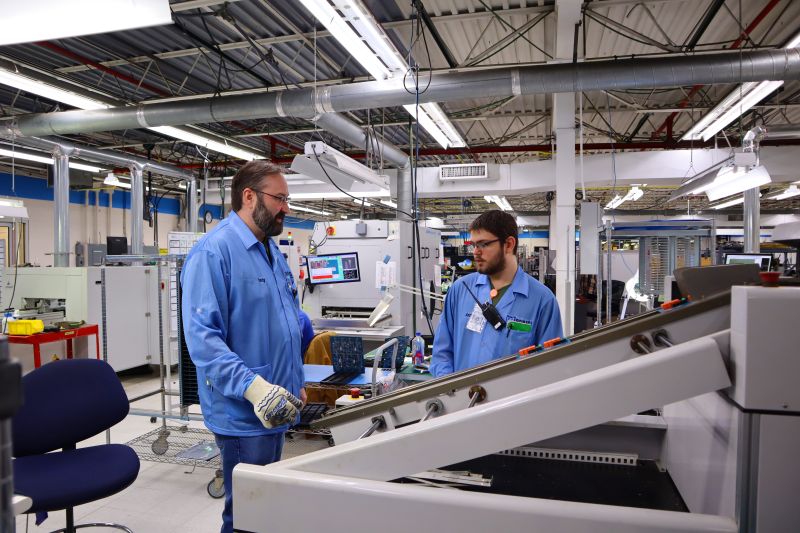
Manufacturing · High-reliability electronics
Emerald Technologies expands material handling capacity with Model C2.
Two Model C2 carts return wave solder pallets and deliver SMT reels, so one material handler now supports five lines.
Read the case study -
Manufacturing · Electronics
Electronics manufacturer saves $33,792 a year with Model C2.
A circuit board facility automated the trips between workstations and reached full ROI in 5.7 months.
Read the case study
Ready to see similar results?
Tell us what you move and where. We’ll show you how Model C2 fits, in a short demo.